
Proper site preparation is the foundation of every successful construction, remodeling, or landscaping project. Before foundations are poured, utilities are installed, or hardscape features are built, the land itself must be shaped and stabilized. In Denver, where varying soil types, elevation changes, and seasonal weather patterns all influence how a property performs over time, professional excavation and grading are essential. At Legendary Demolition Denver, we deliver expert excavation and grading services that provide the stable, well‑prepared start every project deserves.
What Excavation and Grading Are — and Why They Matter
Excavation involves removing earth, roots, rock, and debris from a site to create space for construction work or landscape reshaping. This includes digging for foundations, trenches for utility lines, basements, or clearing land for driveways and patios. It’s about shaping the land so it meets the design and engineering requirements of your project.
Grading follows excavation and involves reshaping the surface of the land to achieve proper slope and contour. This step is critical for managing water flow, preventing erosion, directing runoff away from structures, and creating a smooth surface for construction or outdoor living spaces. Grading helps prevent water from pooling near foundations or on paved areas, which can lead to long‑term moisture problems and structural damage.
Without accurate excavation and grading, a construction project can face delays and costly issues such as sinking slabs, cracks in foundations, poor drainage, and erosion. Professional site preparation is about more than moving dirt — it’s about understanding the land, controlling water flow, and creating a stable surface that supports everything built atop it.
Choosing Legendary Demolition Denver means working with a team that understands local soil behavior, slope challenges, and what it takes to prepare a site that performs well throughout the life of your project.
How Excavation Works and Why Professional Experience Matters
Excavation is not simply digging holes. It starts with a detailed assessment of the property, including soil type, landscape features, nearby structures, and underground utilities. A trained professional evaluates soil stability, slope, and any potential obstacles that might interfere with work. This initial evaluation helps determine the proper approach, equipment, and safety precautions needed.
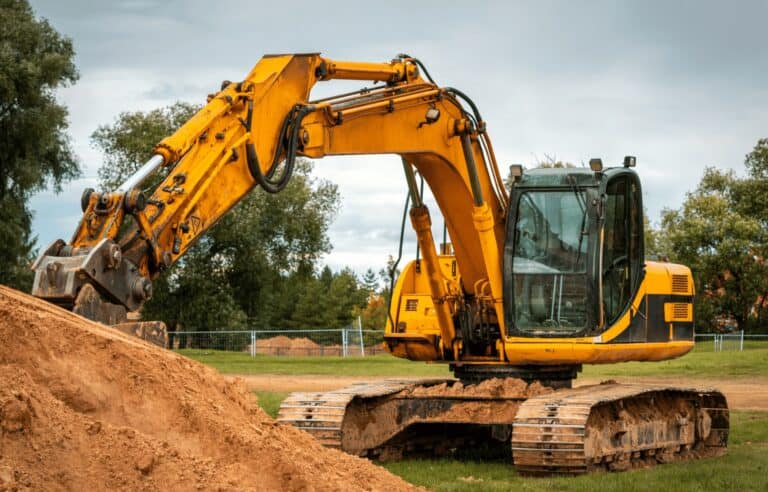
Heavy machinery such as excavators, bulldozers, and backhoes is used to remove soil and shape the terrain according to project specifications. Excavation must be precise and consistent with engineering plans, especially when digging for foundations or utility trenches. Skilled operators work carefully to avoid damaging nearby structures, utility lines, or landscapes that are intended to remain.
Excavation also includes removing unsuitable soil that could compromise stability. Certain soil types, like highly expansive clay or saturated material, are prone to shifting and settling. Experienced crews identify and replace these materials with more suitable fill, which strengthens the subgrade and reduces the risk of settling or structural issues later.
Without professional excavation, foundational problems can appear within months or years of construction. Uneven settling, unexpected soil movement, and unplanned soil compaction are all issues that arise when excavation is not handled properly.
The Essential Role of Grading
After excavation reaches the required elevation and profile, grading reshapes the land’s surface to ensure proper slope and drainage. The primary purpose of grading is to encourage water to flow away from buildings, walkways, driveways, and other structures. This reduces the risk of standing water, soil erosion, basement water infiltration, and pavement damage.
In Denver, where heavy rainstorms and snowmelt can produce sudden runoff, grading is especially important. When land slopes toward a structure instead of away from it, water can collect around foundations, weaken soils, and cause long‑term moisture intrusion. Professional grading corrects surface flow patterns and creates a smooth, stable plane for construction or landscape design.
Pro‑grade work takes into account surface elevations, drainage lines, and landscape plans. It ensures that water flows along designated paths to storm systems, swales, gutters, or natural drainage areas. This protects both your property and your investment by preventing water‑related damage and soil instability.
What to Expect During the Site Preparation Process
When you hire a professional team for excavation and grading, the process begins with planning and assessment. A specialist visits the site to evaluate terrain, soil conditions, slope, and any potential obstacles. This allows the team to develop a detailed approach that aligns with your project’s needs.
Excavation begins once the plan is finalized, with machinery removing earth to achieve the desired depth and layout. Trenches are dug for utilities, space is created for foundations, and unsuitable material is removed or replaced. Throughout this stage, crews monitor progress, adjust as needed, and communicate with homeowners or project managers to ensure expectations are met.
Once excavation reaches the proper footprint, grading reshapes the remaining surface. Land is contoured so that water drains correctly and the surface transitions smoothly between elevations. After grading, the prepared site is ready for the next phase, whether that’s foundation pouring, paving, landscaping, or building construction.
Benefits of Professional Excavation and Grading
Professional excavation and grading deliver several critical benefits. They improve site stability, enhance water management, and reduce the risk of soil settlement that can cause structural problems later. Proper site prep lays the groundwork for smooth construction and protects against erosion, water damage, and costly repairs.
Working with trained professionals also helps ensure project compliance with local codes and engineering standards. Experienced excavation and grading teams are familiar with permitting requirements, safety practices, and best methods for handling Denver’s unique soil and weather conditions.
Site preparation done right reduces the likelihood of surprises on the job site, keeps construction on schedule, and supports long‑term performance of foundations, pavements, and landscaping features.
Partnering With the Right Team
Choosing the right excavation and grading partner matters. You want a team with experience, reliable equipment, and a commitment to quality. At Legendary Demolition Denver, we bring all of that and more to your project. Our crews work closely with you to understand your goals, address challenges, and prepare your land with precision and care.
Excavation and grading are foundational steps that influence every stage of your build. When your site is properly prepared from day one, it leads to smoother construction, fewer surprises, and a final result you can depend on.
Start With a Solid Foundation
If you’re planning a construction project, renovation, or site improvement in Denver, begin with professional excavation and grading. Prepared land is a key component of long‑lasting success and reliable performance for your property.
Visit the Excavation and Grading in Denver page to learn more about our services and how we prepare sites for success.